It is one of the most common questions we get after someone fits their first bolt-on modification. You have installed a new intake or a cat-back exhaust, the car sounds great, so do you now need a tune to go with it? The honest answer is that it depends on the part, the car, and what you are trying to achieve, and it is worth understanding why before you spend money either way.
What a tune actually does
Your engine is controlled by software in the ECU that decides how much fuel to inject, when to ignite it, and on turbo cars how much boost to run. From the factory, that software is set up conservatively to suit a standard car across a wide range of fuel qualities and climates. A tune rewrites those maps to better match your car's hardware and, on turbo engines, to safely raise boost and optimise the fuel and timing for more power. If you are new to the terminology, our guide to Stage 1 versus Stage 2 tunes explains how tuning levels are named.
Do you need a tune after an exhaust or intake?
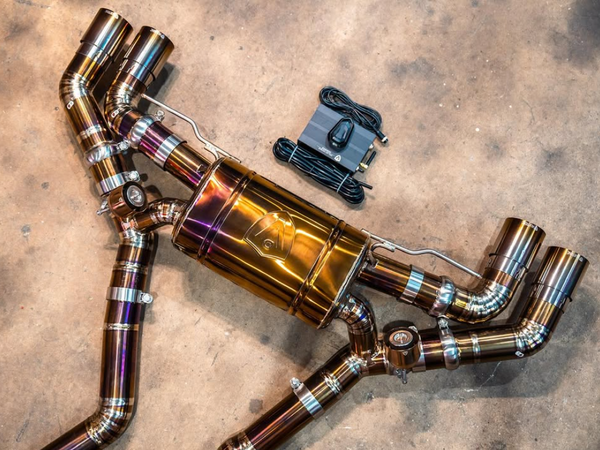
For a simple cat-back or axle-back exhaust, the answer is usually no. Those parts change the sound and free up a little flow after the catalytic converter, but they do not alter the airflow the ECU is measuring enough to require new software. The same is true of most cold air intakes on a factory car. A quality intake from a brand like MST Performance, Armaspeed or AWE Tuning is designed to work with the standard tune, so you can fit it and drive without any issues. Our article on whether cold air intakes actually add horsepower sets realistic expectations on what you will gain.
Where a tune becomes important is when the modification meaningfully changes airflow or boost. A turbo-back exhaust with a downpipe, a bigger intercooler paired with more boost, or a set of bolt-ons intended to work together all benefit from a tune to realise their potential and to keep the fuelling correct. On a turbo car, a tune is also where the real power gains come from, far more than any single intake or exhaust. The complete exhaust guide explains which systems fall into which camp.
You probably do not need a tune if
You have fitted a cat-back or axle-back exhaust, or a drop-in or cold air intake, and the car is otherwise standard. Enjoy the sound and the small gains and spend your money elsewhere.
You should budget for a tune if
You have added a downpipe, are chasing real power, or are stacking several bolt-ons that are designed to work as a package. A tune ties it together and unlocks the results you are paying for.
Will a bolt-on hurt the car without a tune?
For the mild parts above, no. Modern engines adapt within a range using their oxygen sensors and can accommodate the small changes a basic intake or exhaust introduces. The myth that any intake will run your engine lean and cause damage does not hold for quality parts fitted correctly. The exception is aggressive hardware, larger turbos, or anything that pushes airflow well beyond standard, which genuinely does need matching software.
- Cat-back exhaust: no tune needed, mostly a sound and flow change.
- Cold air intake: no tune needed on a standard car, works with factory software.
- Downpipe: tune recommended, it changes flow before the sensors and often the emissions setup.
- Boost or intercooler upgrades: tune required to run and enjoy them safely.
A note on compliance in Australia
The parts that need a tune are usually the same parts that raise compliance questions, which is not a coincidence. A cat-back and an intake leave your emissions equipment intact. A downpipe that removes or replaces the catalytic converter does not, and altered engine software can affect compliance depending on your car and state. Our guide to Australian exhaust laws covers the noise and emissions side. Confirm the rules with your state or territory roads authority before making changes, and keep any catless or off-road hardware for track use only.
Frequently asked questions
Do I need a tune after fitting a cat-back exhaust?
No. A cat-back sits downstream of the catalytic converter and does not change the airflow the ECU measures. The factory tune handles it without any issue.
Do I need a tune after fitting a cold air intake?
On an otherwise standard car, no. Quality intakes are designed to work with factory software. A tune becomes worthwhile only when you are stacking modifications or chasing real power.
Will an intake damage my engine without a tune?
Not with a quality part fitted correctly. Modern engines adapt using their oxygen sensors to accommodate the small airflow change. The risk only appears with aggressive hardware that pushes airflow well beyond standard.
When is a tune genuinely necessary?
Once you fit a downpipe, raise boost, upgrade the intercooler, or stack several bolt-ons designed to work as a package. These change airflow or boost enough that the factory maps no longer suit the hardware.
The bottom line
If you have fitted a simple exhaust or intake to an otherwise standard car, relax, you do not need a tune to enjoy it or to keep the car healthy. A tune becomes worth it once your modifications change airflow or boost in a real way, and on a turbo car it is where the biggest gains live. Think of it this way, tune for power and for hardware that demands it, not for a cat-back and a filter. If you are not sure which camp your build falls into, send us the details and we will tell you straight.
The Vero Motorsport Team
info@veromotorsport.com